
The Ultimate Orange Guide: Everything About Varieties, Nutritional Values & Recipes
The orange is perhaps the most iconic fruit in the Dutch fruit bowl. But how much do you really know about this citrus fruit, apart from the fact that it is delicious and juicy? Whether you are curious about the ideal hand orange for home consumption, or are a professional looking for the most efficient way to serve that authentic flavour, you have come to the right place. Welcome to Oranka’s Ultimate Orange Guide.
Oranges have become an indispensable part of life around the world. From sweet Navel oranges to distinctive blood oranges, each variety has its own unique flavour profile. At Oranka, we understand the power of this fruit like no other. We capture the essence of the best harvests in our high-quality concentrates and premixes.
In this dossier, we discuss the rich history, look at the actual (and legally permitted) health benefits, and show you how you can serve the highest quality without having to lug around crates of oranges. Read on to find out more.
1. The History and Origin of the Orange
To understand the quality of our current citrus drinks, we need to delve into the past. The orange is not a wild fruit, but an ancient cross between the pomelo and the mandarin. The roots of this guide lie thousands of years ago in Southeast Asia.
From “China’s Apple” to Global Icon
The name betrays its origins: “Sinaasappel” is a corruption of “China’s apple” (Appelsien). These fruits were originally grown in China, probably as early as 2500 BC. It was Portuguese and Spanish traders who brought the sweet orange varieties to Europe in the 15th and 16th centuries.
The fruit immediately became a status symbol. Wealthy nobles had special orangeries built. Nowadays, everyone can enjoy its flavour. At Oranka, we continue this tradition of quality. We select the best growing regions to give our orange premixes and concentrates that unmistakable, pure flavour.
2. The Main Types of Oranges and Their Uses
There are countless varieties of oranges. For the catering industry and large-scale consumption, it is useful to know which varieties form the basis for the best juices.
The Navel Orange vs. The Valencia
The Navel is the classic hand orange: sweet and seedless. However, the Valencia is the king of juice, with a perfect sweet-sour balance. The disadvantage of working with fresh fruit? The varying quality per season, the labour-intensive pressing and the enormous amount of peel waste.
The Smart Solution: Want the taste of premium varieties such as Valencia, but without the hassle of fresh fruit? Our Orange Concentrates offer the solution. You can serve consistent top quality, save 90% on storage space and have zero wastage.
The Blood Orange (Moro and Tarocco)
A favourite among gourmets. Its deep red colour and berry-like flavour make it a culinary delight. However, the season for fresh fruit is very short.
Available all year round: Would you like to surprise your guests with this unique flavour? With Oranka’s Sicilian Blood Orange Premix, you can serve this speciality all year round, with a consistent taste and colour.

3. Oranges and Your Immune System: The Facts
There are many myths about nutrition. As specialists in fruit drinks, we adhere strictly to scientifically proven facts. Why does a glass of orange juice or a smoothie fit into a healthy lifestyle?
Rich in Vitamin C
Oranges are naturally rich in vitamin C. This nutrient is also retained in our carefully prepared fruit drinks. Vitamin C is essential:
- Immune system: Vitamin C contributes to the normal functioning of the immune system.
- Energy: Vitamin C contributes to the reduction of tiredness and fatigue.
- Skin and Teeth: It is important for collagen formation.
Easily meet your fruit intake
The Nutrition Centre recommends eating sufficient fruit every day. Would you like to help your guests or residents increase their fruit intake in an accessible way?
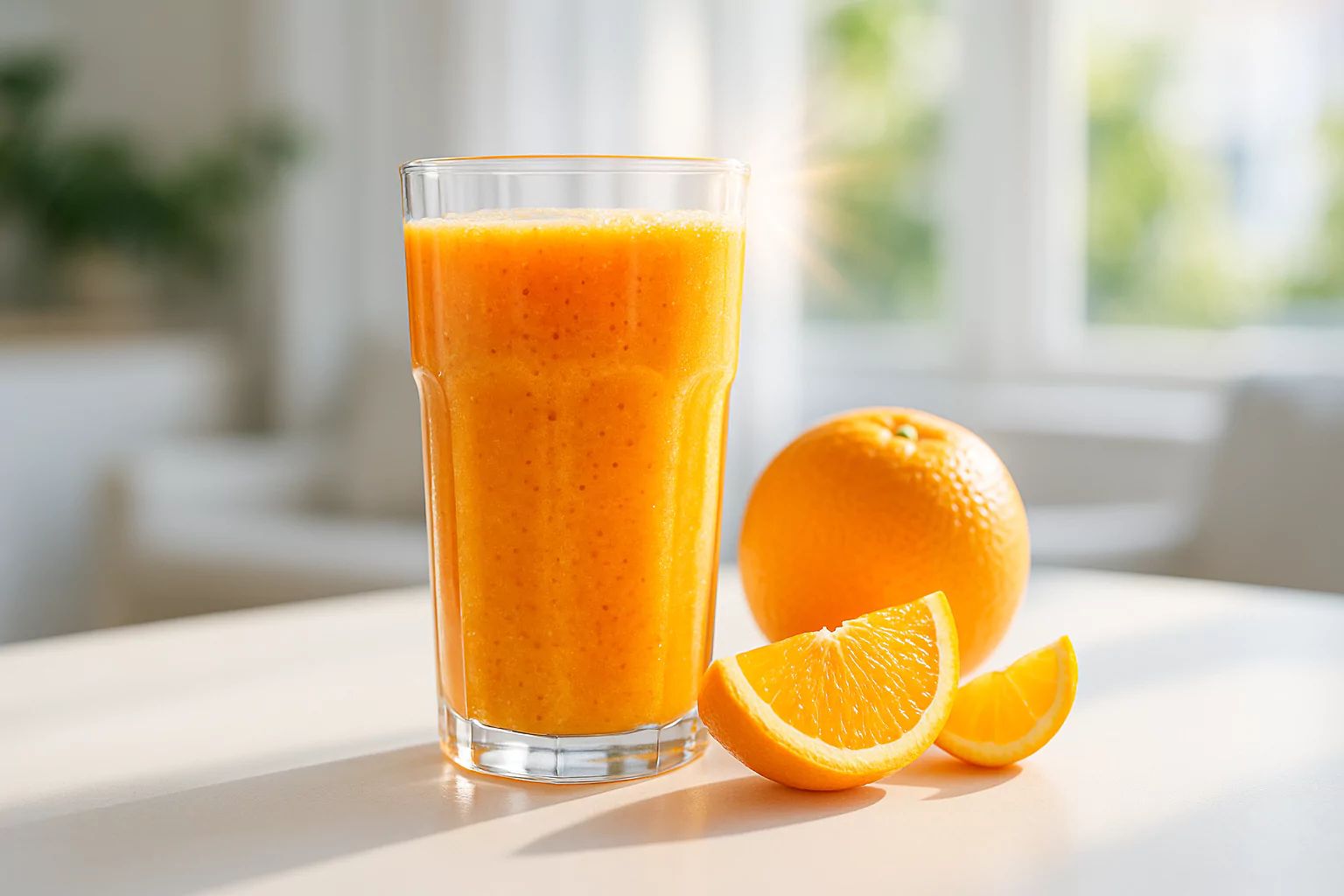
Our Oranka Smoothies consist of 100% fruit (a combination of juices and fruit purées). The addition of fruit purée gives them a deliciously rich texture and flavour. A perfect, drinkable start to the day.
Conclusion: Oranges are not a medicine, but they are a valuable source of nutrients that contribute to the normal functioning of your body.
4. Fresh Fruit vs. Orange Juice: Tips for Storage and Quality
At home, a bowl of oranges is nice, but in a professional environment, managing fresh fruit is a logistical challenge. Here’s why.
The challenge of fresh fruit
- Vulnerability: A ripe orange can quickly become bruised or mouldy, especially if they are lying against each other (ethylene formation).
- Waste: What you do not squeeze or serve often has to be thrown away.
- Storage: Crates of oranges take up valuable cold storage space.
The advantage of Concentrates & Premixes
Would you like to eliminate waste and space constraints without compromising on flavour? By choosing Oranka Concentrates, you can resolve these issues immediately:
- Long shelf life: You won’t throw anything away anymore.
- Space-saving: Our packaging takes up to 95% less space than the equivalent in fresh fruit or bottles.
- Sustainable: Less transport volume means lower CO2 emissions.

5. Recipes and Culinary Applications
The taste of orange offers a perfect balance between sweet and sour. Our products are not only delicious to drink, but also versatile in the kitchen.
Fresh & Savoury: Fennel and Orange Salad
A classic. Slice the fennel paper-thin and mix it with a dressing of olive oil and a dash of Oranka orange juice. The acidity of the juice breaks down the hardness of the fennel and makes the salad deliciously fresh.
The Oranka Sunrise Mocktail
Orange juice is the perfect base for non-alcoholic cocktails. Surprise your guests with this simple serving tip:
- Fill a glass with ice cubes.
- Fill it 2/3 full with prepared Orange Premix or Blood Orange.
- Carefully add a dash of grenadine (this will sink to the bottom for the “sunrise” effect).
- Garnish with a sprig of mint.
Sweet Twist: Orange Cake
Replace some of the milk in your cake batter with orange juice from concentrate. This gives a much more intense flavour than just water or milk, and gives the cake a beautiful golden yellow colour.